.png)


Mastering the Perfect Hard Boiled Egg with Cooktop and Instant Pot Methods
- Cookery & Co.
- Dec 10, 2025
- 3 min read
Updated: Jan 9
Hard boiled eggs are a kitchen staple, but getting them just right can be surprisingly tricky. Overcooked eggs develop a greenish ring around the yolk and a sulfuric smell, while undercooked eggs can be runny and unappetizing. Whether you prefer the traditional cooktop method or want to try the convenience of an Instant Pot, this guide will walk you through both techniques to achieve perfectly cooked hard boiled eggs every time.

How to Hard Boil Eggs on the Cooktop
The cooktop method is the classic way to hard boil eggs. It requires just a pot, water, and a timer. Here’s how to do it step-by-step:
Step 1: Prepare the Eggs and Water
Place eggs in a single layer at the bottom of a saucepan or pot.
Add enough cold water to cover the eggs by about an inch.
Using cold water helps prevent cracking as the eggs heat gradually.
Step 2: Bring Water to a Boil
Place the pot on the stove over medium-high heat.
Heat until the water reaches a rolling boil.
Step 3: Turn Off Heat and Cover
Once boiling, turn off the heat immediately.
Cover the pot with a lid to trap the heat.
Step 4: Let Eggs Sit
For large eggs, let them sit in the hot water for 9 to 12 minutes.
Adjust time slightly for smaller or larger eggs:
- Medium eggs: 8 to 10 minutes
- Extra-large eggs: 12 to 14 minutes
Step 5: Cool the Eggs
Drain the hot water carefully.
Transfer eggs to a bowl of ice water or run under cold water for at least 5 minutes.
Cooling stops the cooking process and makes peeling easier.
Tips for Success
Use eggs that are at least a week old; they peel more easily than fresh eggs.
Avoid overcrowding the pot to ensure even cooking.
If you want softer yolks, reduce the sitting time by a minute or two.
How to Hard Boil Eggs Using an Instant Pot
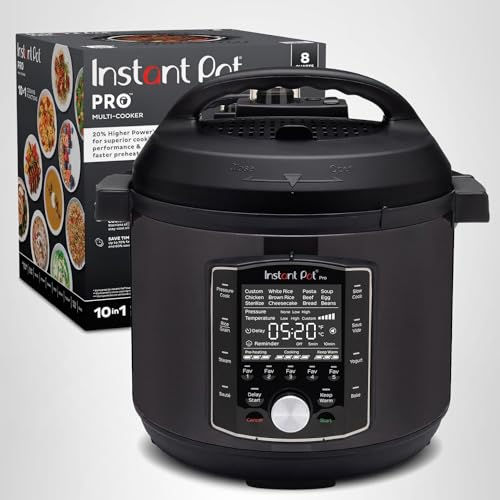
The Instant Pot offers a hands-off way to hard boil eggs with consistent results. It uses steam pressure to cook eggs evenly and quickly.
Step 1: Add Water and Prepare Eggs
Pour 1 cup of water into the Instant Pot’s inner pot.
Place the metal trivet or steamer basket inside.
Arrange eggs on the trivet in a single layer.
Step 2: Set Pressure Cooking Time

Close the lid and seal the valve.
Select the “Manual” or “Pressure Cook” setting.
Set the timer for 5 minutes on high pressure for large eggs.
Adjust time for egg size:
- Medium eggs: 4 minutes
- Extra-large eggs: 6 minutes
Step 3: Natural Pressure Release
When cooking finishes, let the pressure release naturally for 5 minutes.
After 5 minutes, carefully quick release any remaining pressure.
Step 4: Cool the Eggs
Remove eggs and place them in an ice water bath for 5 minutes.
This cools eggs quickly and helps with peeling.
Benefits of Using an Instant Pot
Consistent temperature and pressure reduce the risk of overcooking.
Hands-off cooking frees you to prepare other parts of your meal.
Easy to cook large batches at once.

Peeling and Storing Hard Boiled Eggs
Peeling Tips
Crack the shell gently all over by tapping on a hard surface.
Roll the egg lightly to loosen the shell.
Peel under running water to help remove small shell pieces.
Start peeling from the wider end where the air pocket is located.
Storing Hard Boiled Eggs
Keep unpeeled eggs in the refrigerator for up to one week.
Store peeled eggs in a sealed container with a damp paper towel to maintain moisture.
Label the container with the date to track freshness.
Final Thoughts on Perfect Hard Boiled Eggs
Both the cooktop and Instant Pot methods can produce excellent hard boiled eggs. The cooktop method offers simplicity and control, while the Instant Pot delivers convenience and consistency. Experiment with timing and cooling techniques to find what works best for your taste and schedule.


Comments